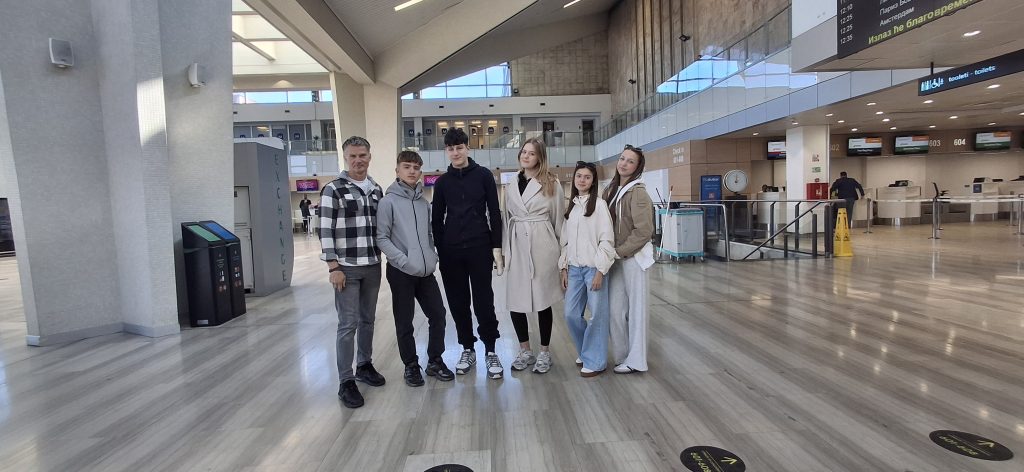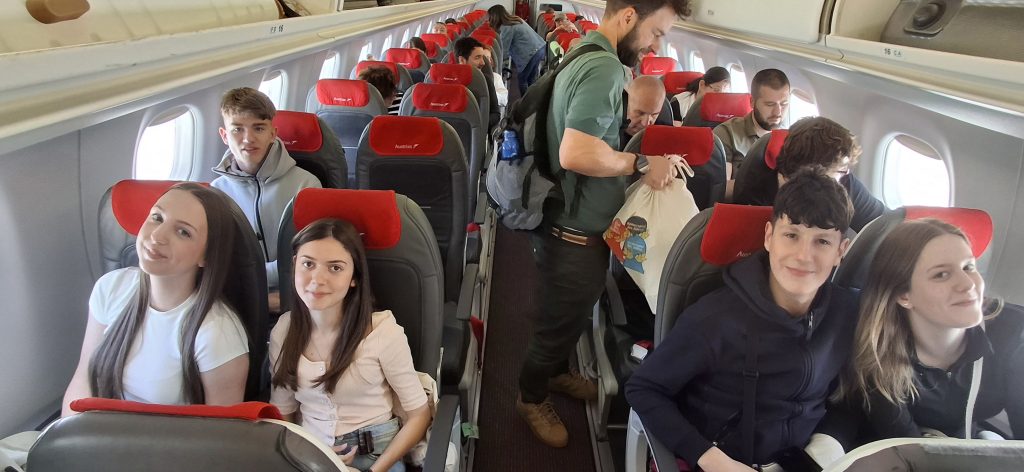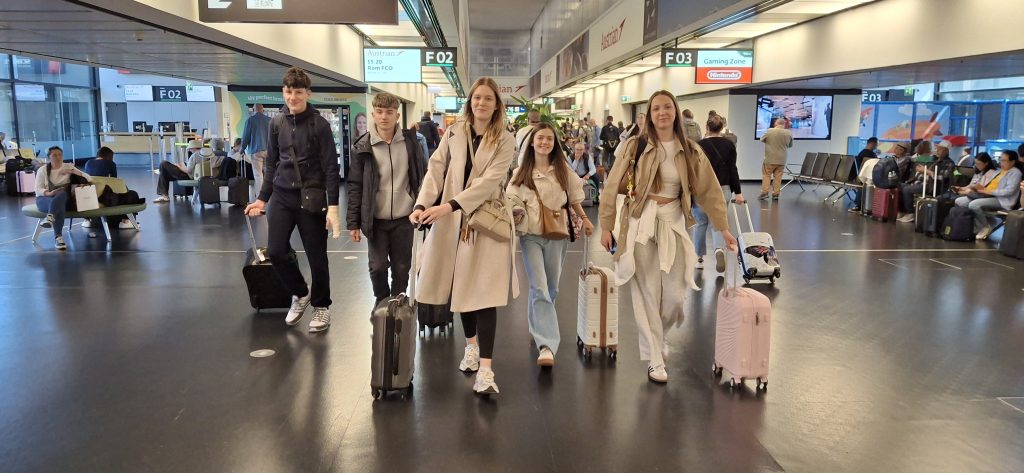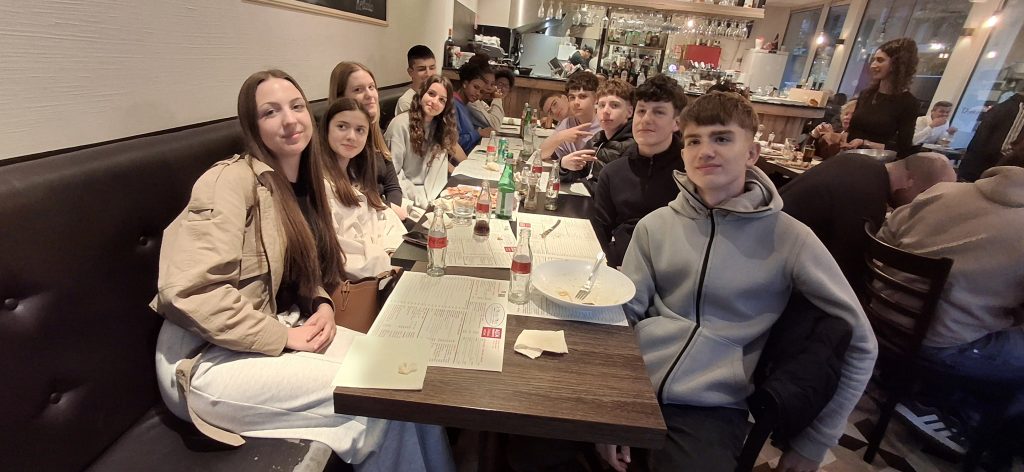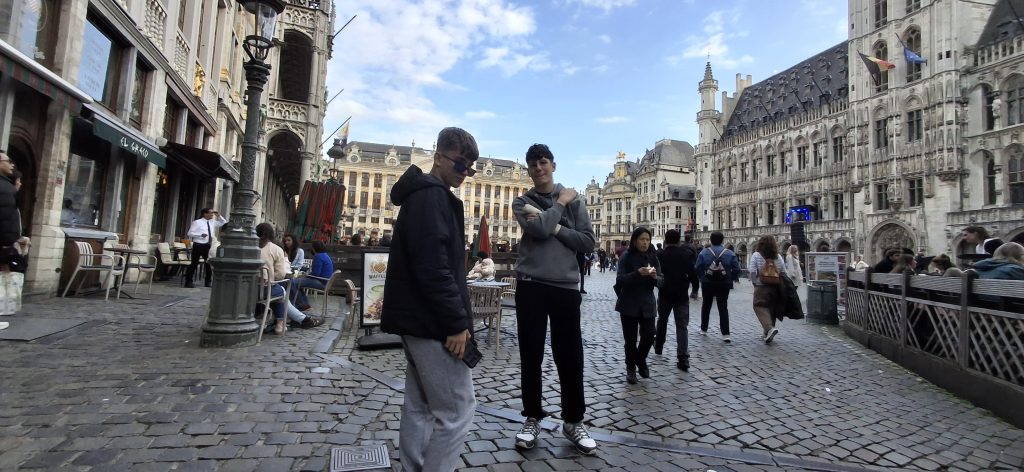
The group arrived in Brussels on Monday, 4 May. After checking in at the hotel, the participants had the opportunity to explore the city and become familiar with its atmosphere, architecture and most important central areas. The city tour served as a good introduction to Brussels and to the programme planned for the following days.
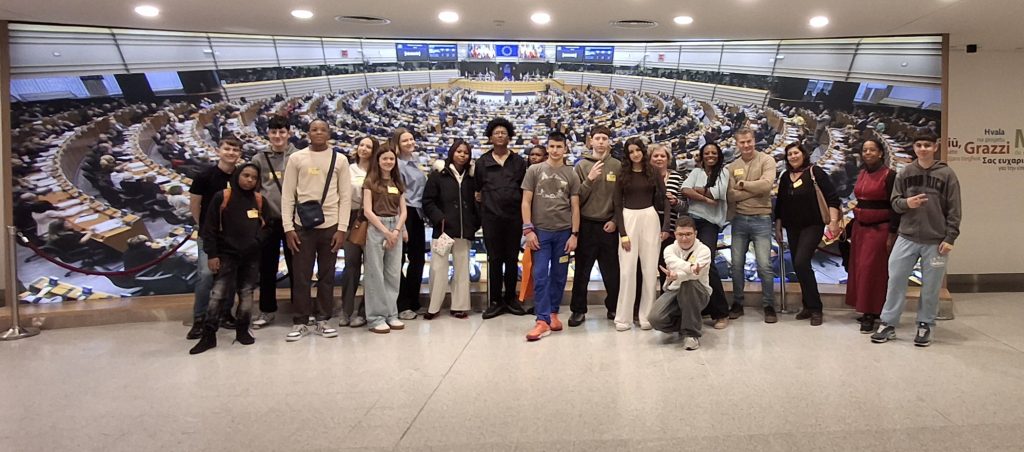
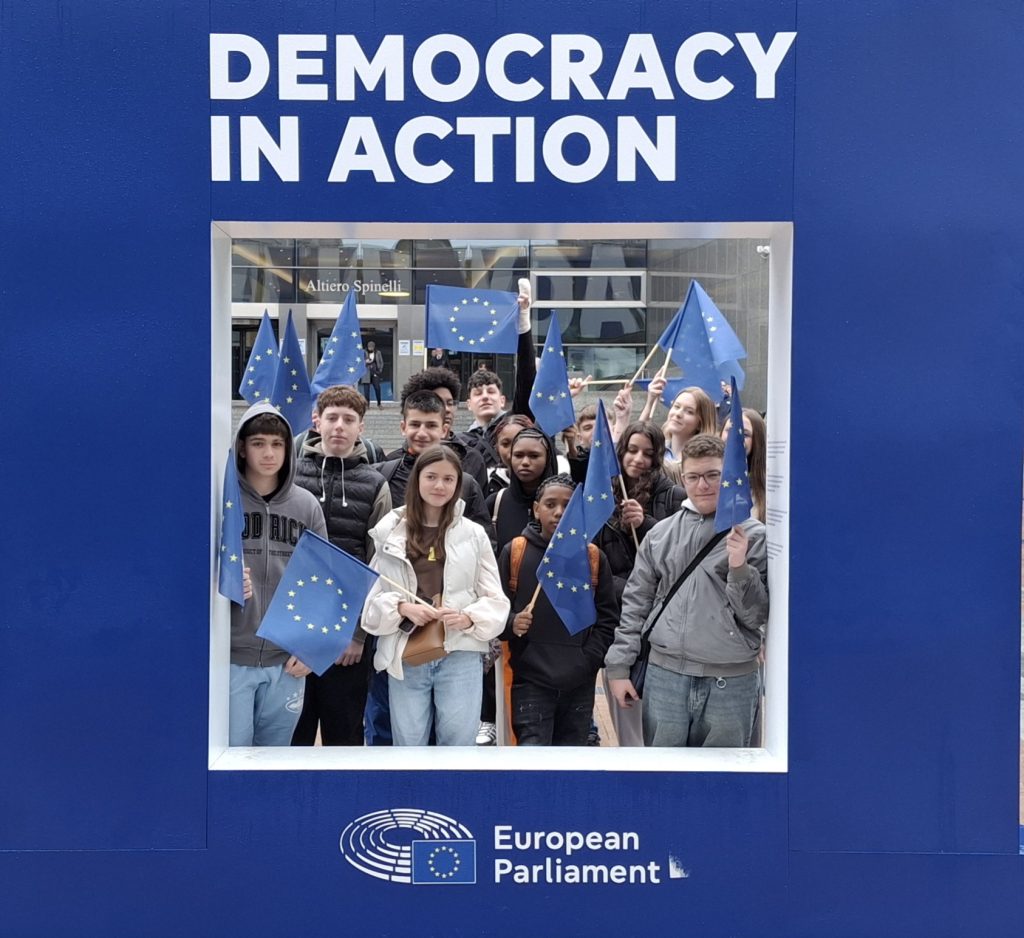
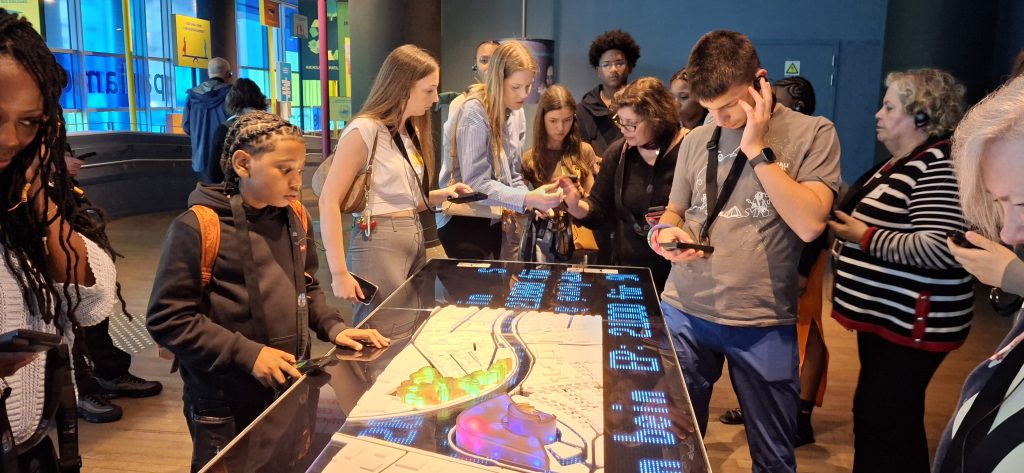
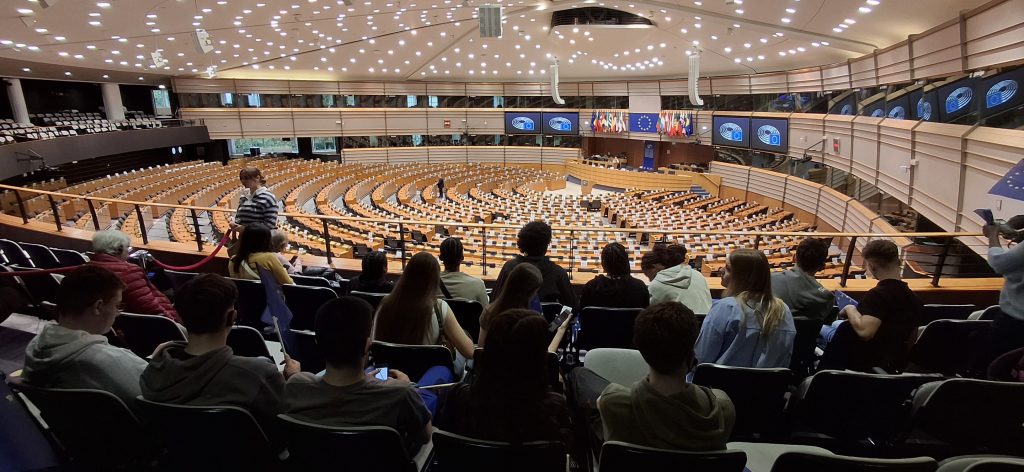
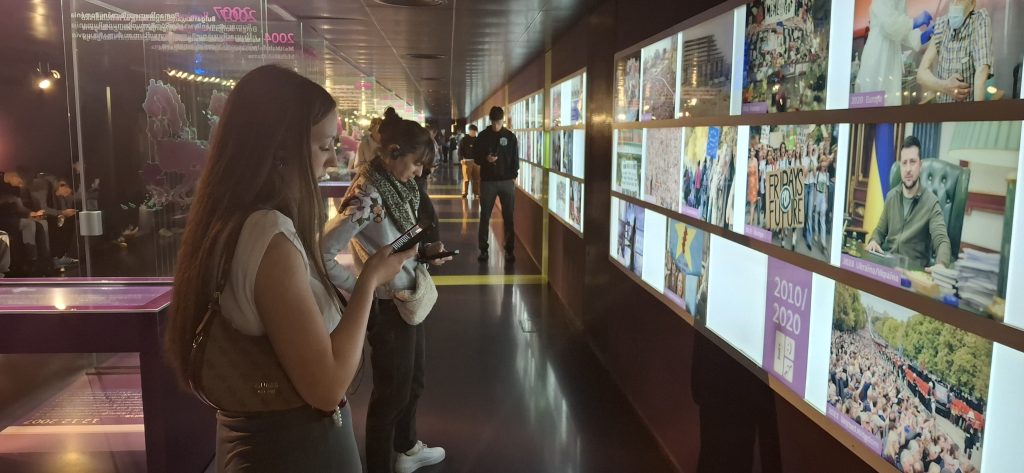
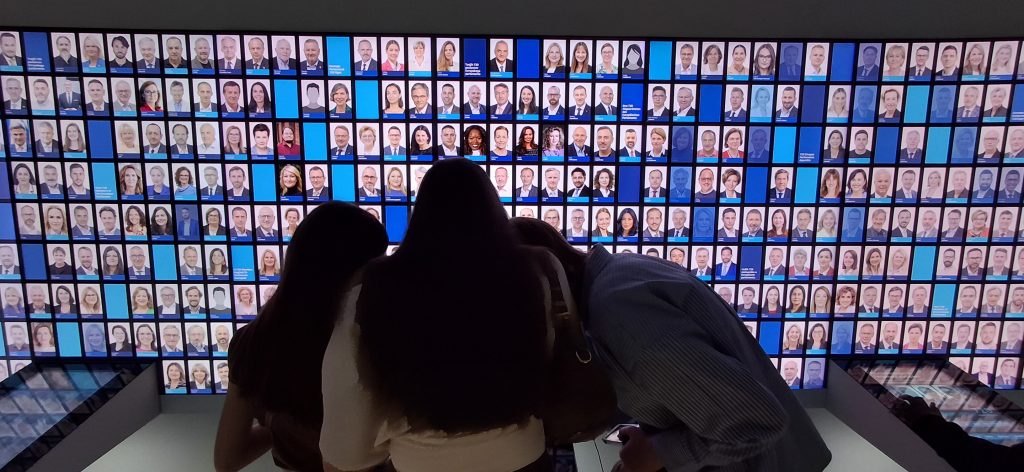
On Tuesday, 5 May, we visited the European Parliament. The visit to the Hemicycle gave the participants an opportunity to learn more about the role and functioning of the European Parliament and the work of European institutions. Afterwards, we visited the Parlamentarium, the European Parliament’s visitors centre. Through its interactive exhibitions and multimedia content, the participants were able to gain a better understanding of the history of European integration, the work of the European Union and the importance of democratic participation.
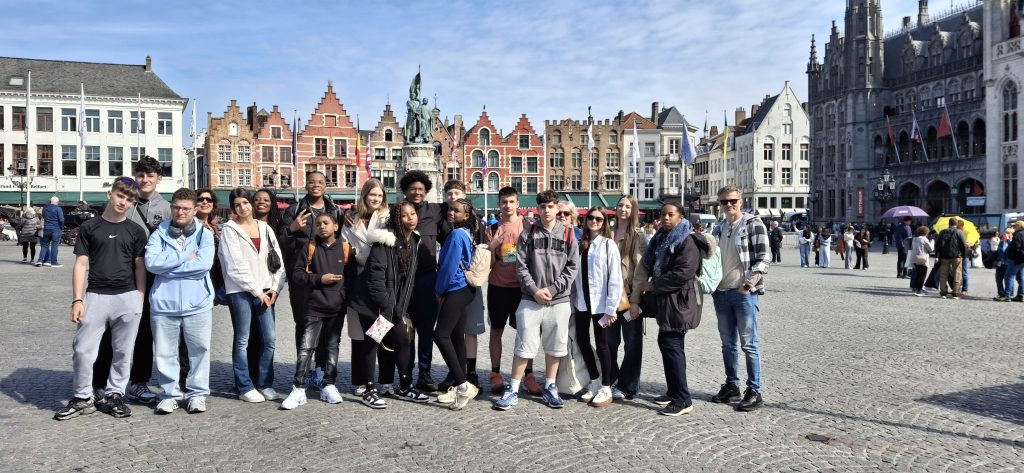
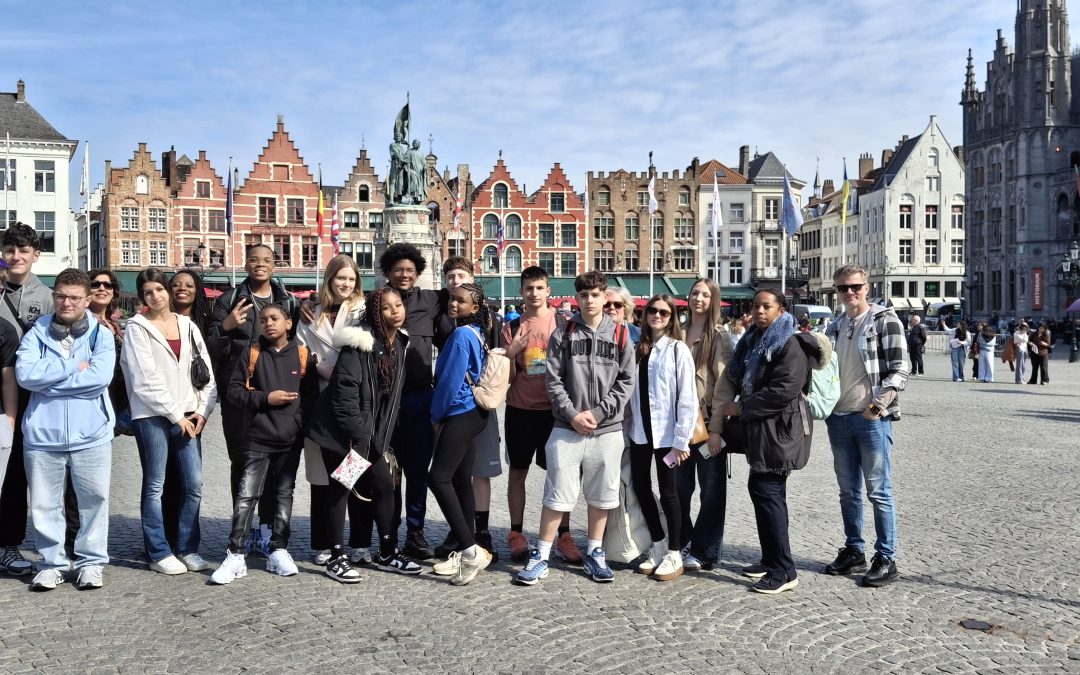
Wednesday, 6 May, was dedicated to a full-day excursion to Bruges. During our stay in this historic city, we explored its well-preserved medieval architecture and cultural heritage. Walking through the old town allowed the participants to experience the unique historical atmosphere of Bruges and to learn more about the architectural and cultural traditions of Belgium.
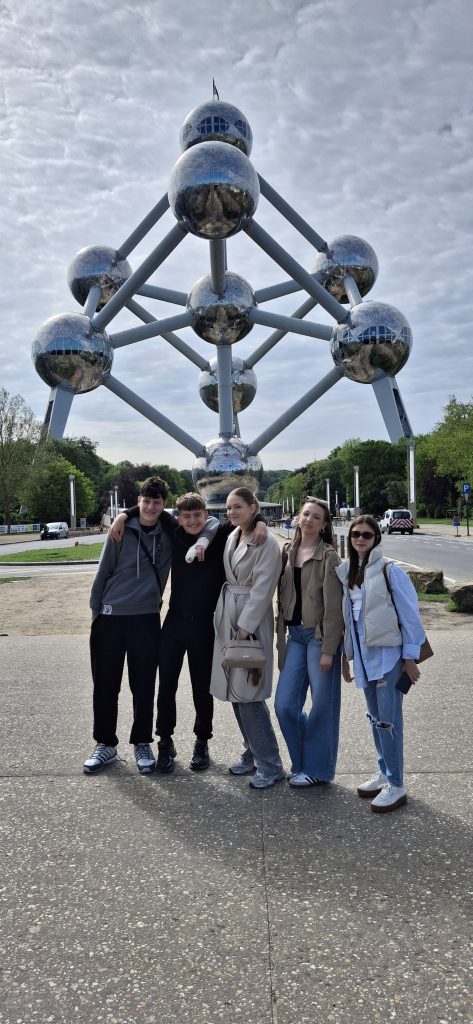
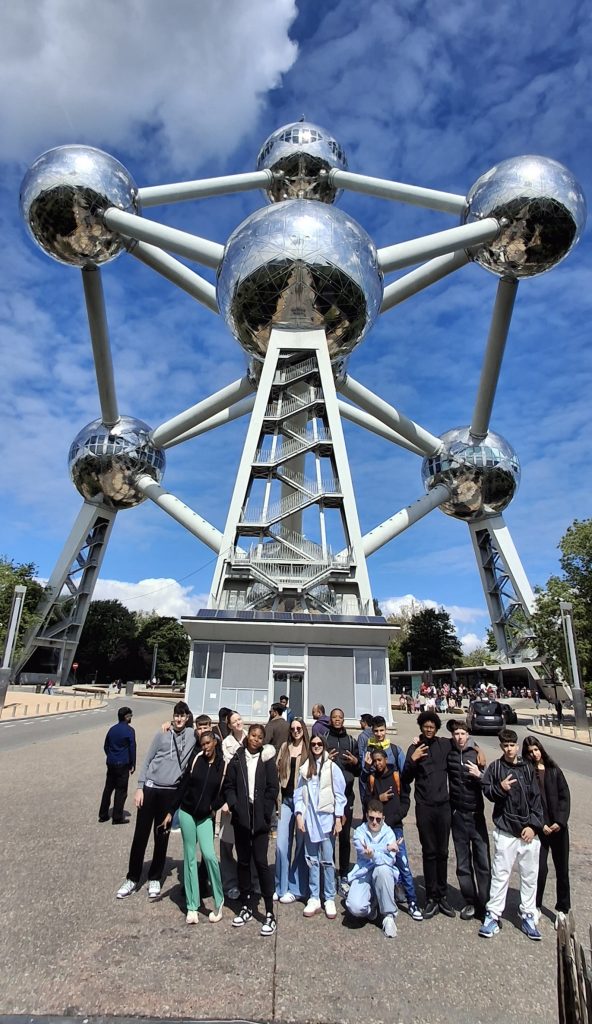
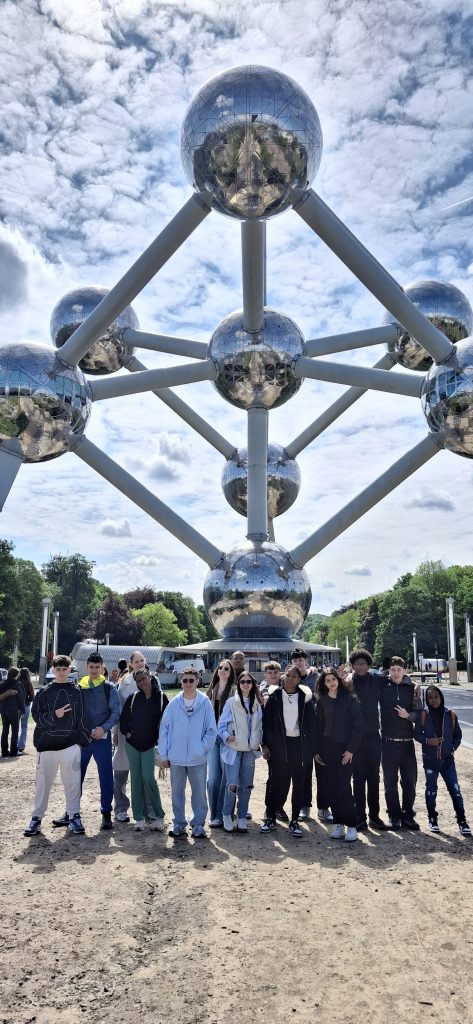
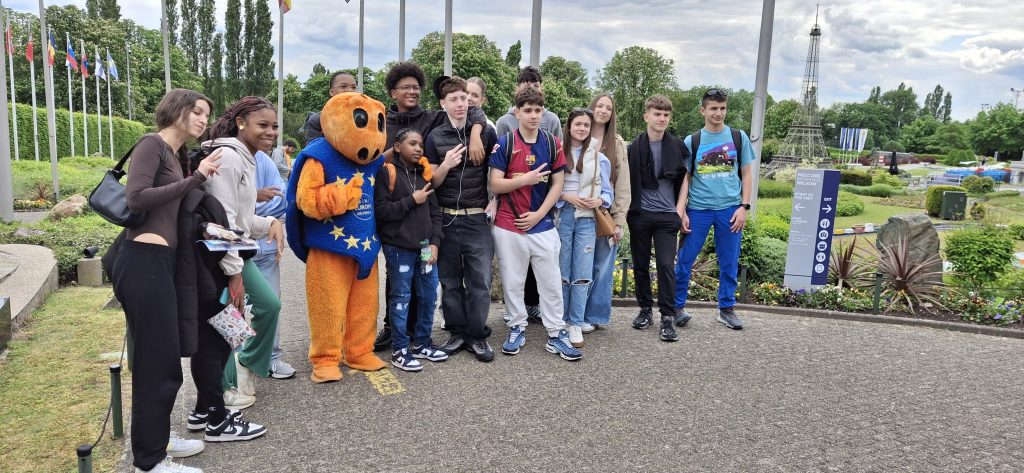
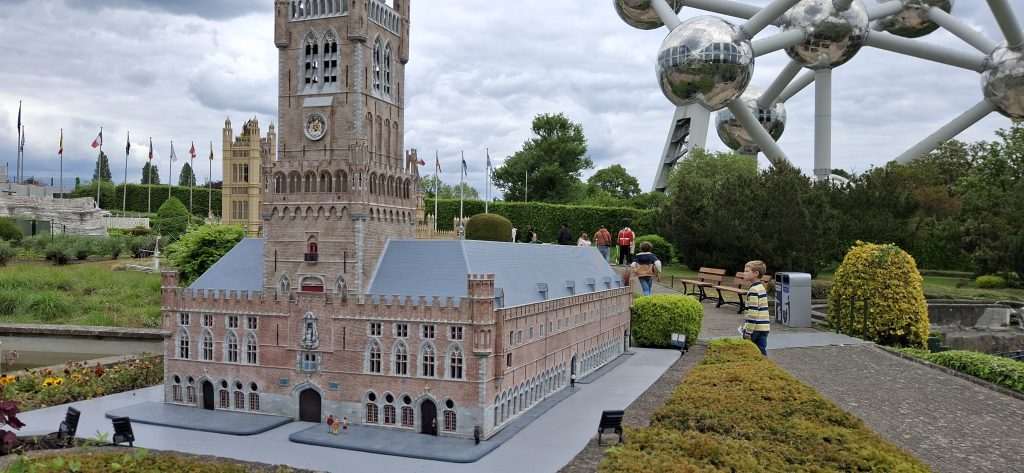
On Thursday, 7 May, we continued our programme with a visit to the Atomium, one of the best-known landmarks of Brussels and an internationally recognised symbol of Belgium. The visit offered the participants an opportunity to discover one of the most distinctive examples of modern architecture in the city. We then visited Mini-Europe, located near the Atomium. The park presents miniature versions of famous European landmarks and offered an interesting and educational way to discover the cultural and architectural diversity of Europe.
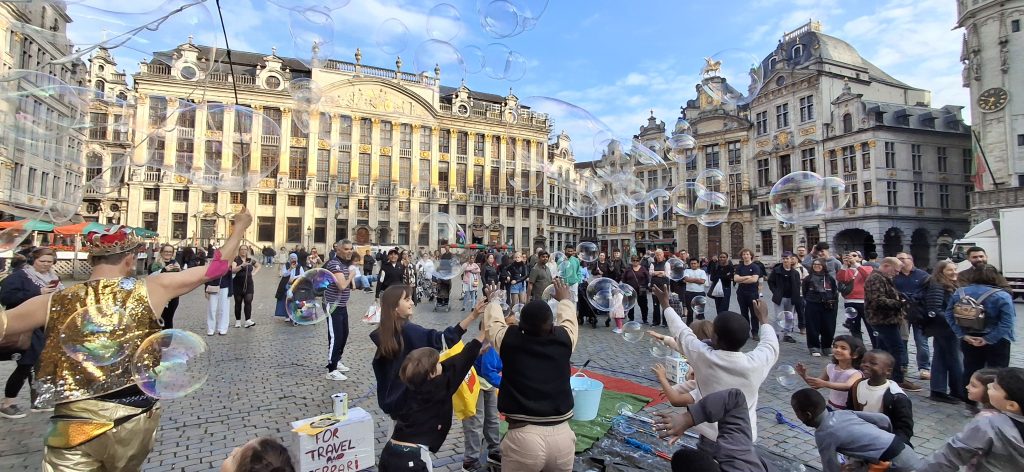
The activities on Friday, 8 May, focused on science, culture and further exploration of Brussels. The programme included a visit to the Museum of Natural Sciences and/or the Comic Art Museum. These visits provided opportunities to learn through exhibitions related to science, natural history, art and the famous Belgian tradition of comics. Later, we walked through the city centre and visited some of Brussels’ best-known locations, including the Grand Place and the Royal Park.
The study visit ended on Saturday, 9 May, when the group returned home.
The programme successfully combined educational, cultural and social activities. Visits to European institutions helped participants broaden their understanding of European cooperation, democratic institutions and European citizenship, while visits to museums and historical sites contributed to their knowledge of Belgian and European history, culture, science and architecture.
The visit also provided valuable opportunities for informal learning, communication and shared experiences within the group. Exploring Brussels and Bruges enabled the participants to experience European cultural diversity directly and to connect knowledge acquired through formal education with real places, institutions and cultural heritage.
Overall, the Brussels study visit was a valuable educational and cultural experience. It contributed to the participants’ knowledge of Europe and its institutions while encouraging curiosity, intercultural awareness and a greater appreciation of Europe’s common cultural heritage.